
Localization QA — also commonly referred to as Linguistic Quality Assurance — ensures that translated game content works as intended in real gameplay contexts.
At GATE, we review localized text directly in-game or through provided materials to identify linguistic, contextual, and presentation issues before release.
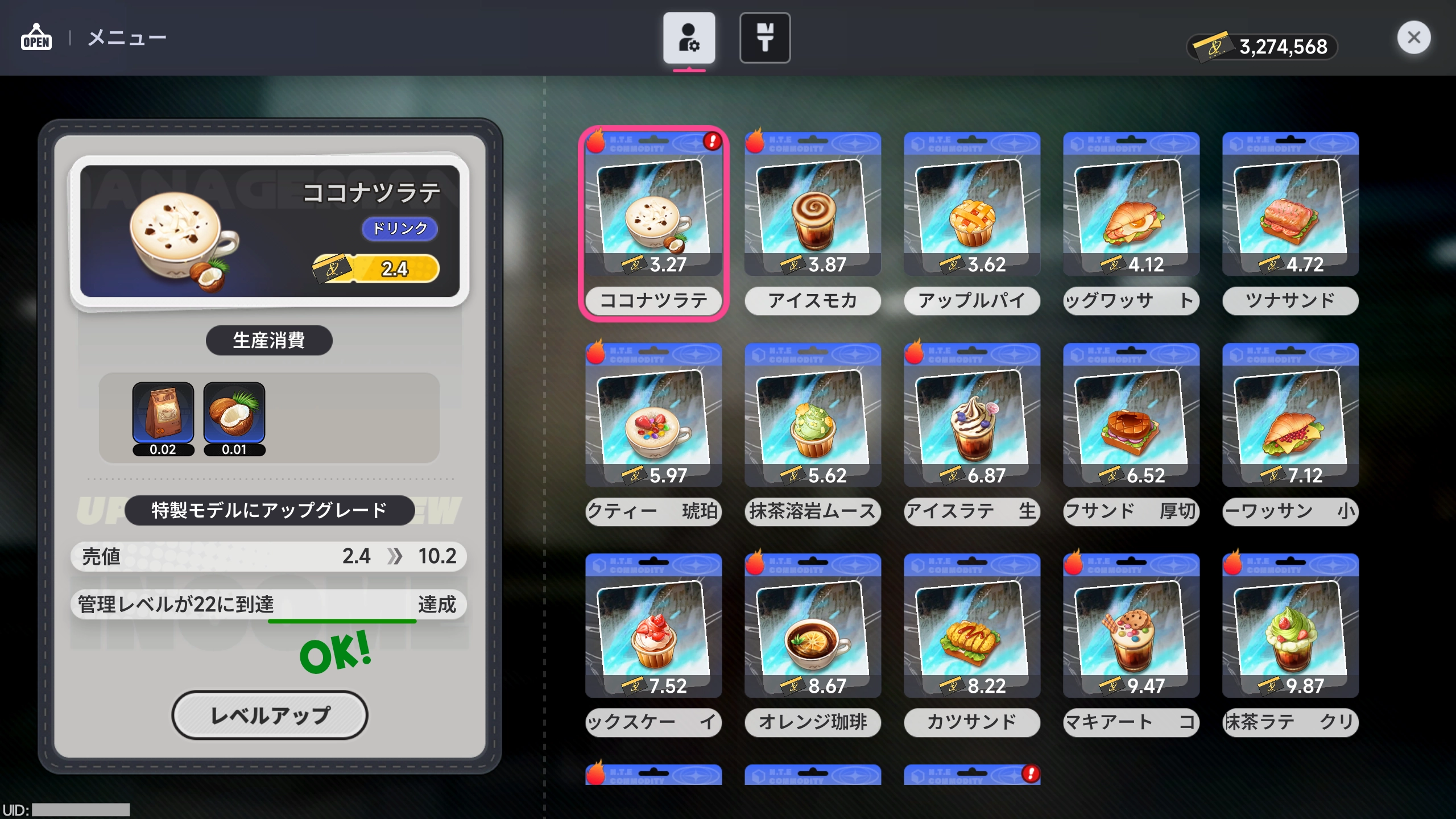
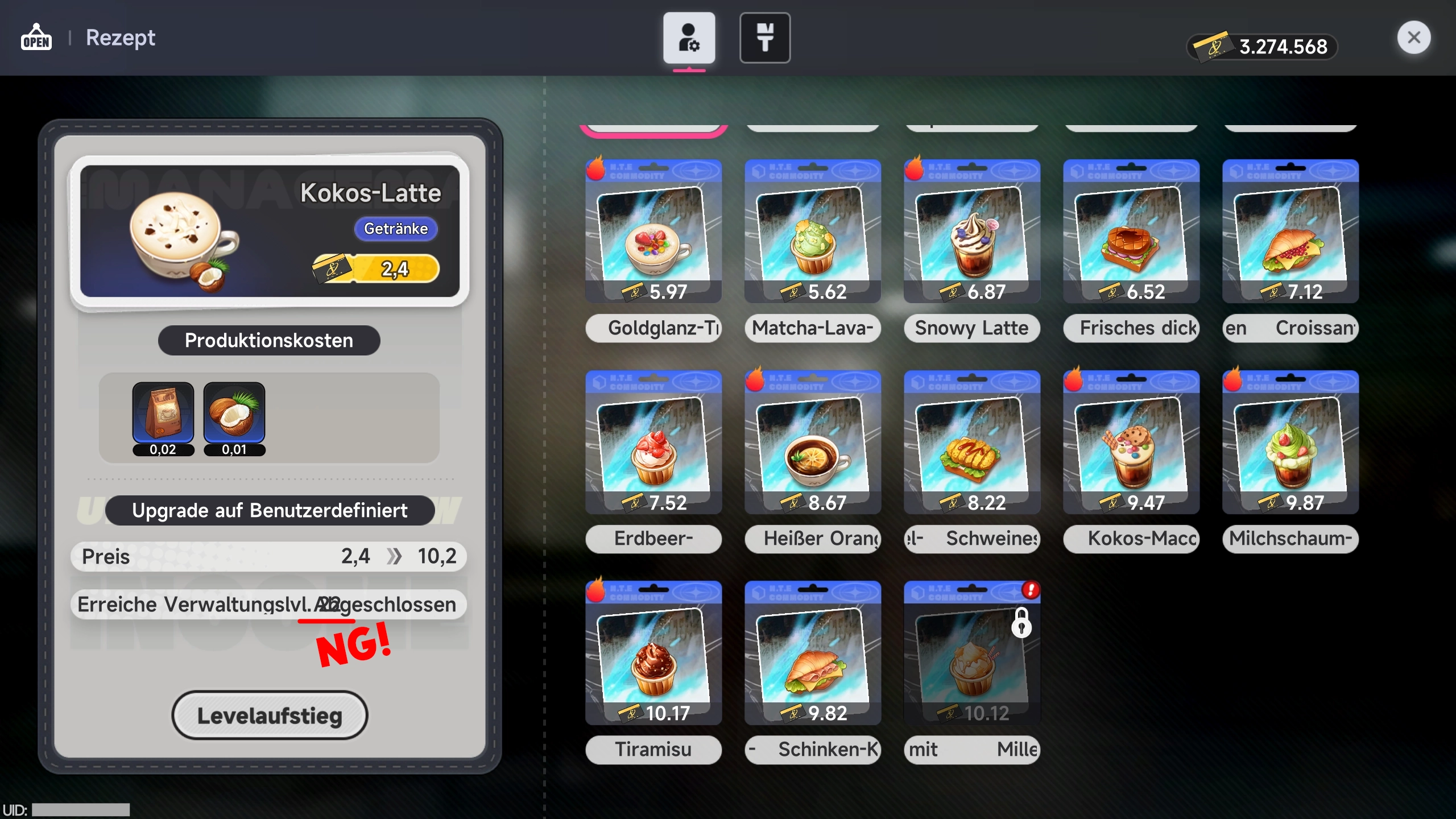
Below is an example from Neverness to Everness (NTE), which some of our team members played privately. GATE was not involved in its localization.
While the Japanese text fits correctly, the German text overlaps in the UI — exactly the kind of issue LQA is designed to catch.
Ver. 1.0.6.73069 Asset 1.0.20.437841
Our LQA Services

Localized text is reviewed directly within the game to check whether it makes sense in context, matches the intended meaning, and feels natural for players. This includes UI text, menus, dialogue, tutorials, and system messages as they appear during gameplay.
While LQA is not a replacement for proofreading, it can uncover grammar, spelling, or wording issues that become noticeable once text is implemented — for example, due to line breaks, truncation, or context-dependent phrasing.

We identify potential UI-related issues such as text overflows, truncated lines, broken formatting, or unreadable layouts caused by text length differences between languages. These issues are documented and flagged for developer review.

When voiced dialogue is present, subtitles are checked against spoken lines to ensure they align in meaning, tone, and timing. This helps prevent discrepancies that could confuse players or break immersion.
If a playable build is not available, checks can also be performed using provided screenshots or gameplay videos. This allows for contextual checks even in earlier development stages or when access to the game build is limited.
Currently available languages are Japanese, English, German, Spanish, French, and Italian.
More languages like Korean, Chinese (Traditional and Simplified) may be available on request.
LQA vs. Translation & Proofreading
Translation and proofreading focus on linguistic accuracy, ensuring text is correct, consistent, and well written.
Localization QA goes beyond text review by evaluating how translations work inside the game.
LQA checks dialogue, UI text, subtitles, and system messages in their actual gameplay context to identify issues such as missing context, unnatural phrasing, UI overflows, or mismatches between voice-over and subtitles.
It ensures the localized content functions naturally as part of the player experience.
Because We’re Gamers Too
Because we are gamers ourselves, we care deeply about the overall player experience.
While conducting LQA, we may come across non-language-related bugs or gameplay issues. If that happens, we report them free of charge.
This additional feedback is not meant to replace full QA testing, but it reflects our passion for delivering polished, enjoyable games.
Ready for the Next Level?
Calculate your estimated costs and contact us directly via our calculator.
Frequently Asked Questions
What is game localization quality assurance (LQA)?
Game LQA is the process of reviewing localized content in real gameplay contexts to identify language, UI, subtitle, and presentation issues that may affect player experience.
Does LQA guarantee error-free localization?
No. LQA helps identify issues, but final implementation and fixes depend on the development workflow.
Our role is to provide clear, actionable feedback based on real in-game observations.
Can LQA be done without a playable build?
Yes. When a playable build is not available, LQA can be performed using screenshots or gameplay videos provided by the developer.
Is LQA available as a standalone service?
Yes. LQA can be booked independently or combined with translation and proofreading services for a more integrated localization workflow.